Fire Alarm System
MONITOR MODULE
₹1,599.00
₹1,098.98
In Stock
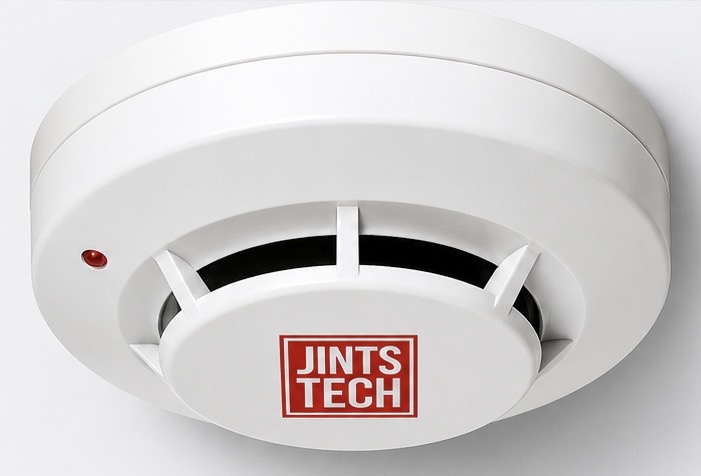
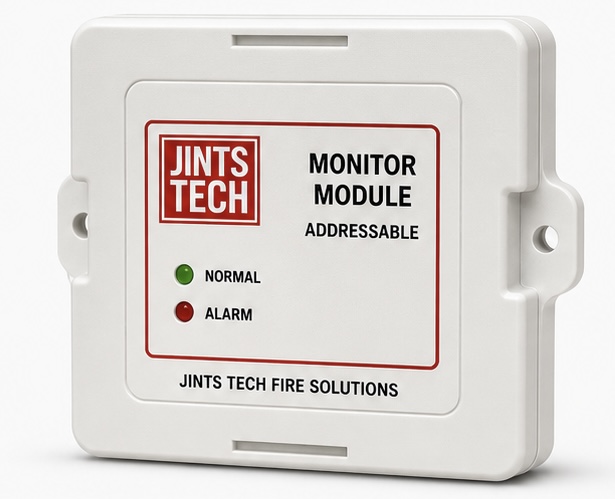
Monitor Modules are intelligent interface devices designed to integrate non-addressable components into a digital, addressable fire alarm system. By assigning a unique address to external "dry contact" inputs—such as water flow switches, fire shutters, or conventional detectors—these modules allow the central control panel to monitor the status and precise location of third-party fire safety equipment.
Request Bulk Quote
Monitor Modules are high-performance interface units engineered to expand the capabilities and reach of modern addressable fire alarm systems. Their primary role is to act as a bridge between the digital fire alarm loop and non-addressable devices. By providing a unique digital identity or "address" to external equipment, the module enables the central control panel to supervise and identify the exact status of various fire safety components throughout a facility.
These modules are typically used to monitor "normally open" or "normally closed" dry contact inputs from a wide range of peripheral devices. Common applications include monitoring sprinkler water flow switches, pressure switches, fire pump controllers, and fire shutters, as well as integrating conventional (non-addressable) fire zones or manual call points. When the monitored device is activated, the module transmits an intelligent signal to the control panel, which then displays the specific location and nature of the event, allowing for a targeted and efficient emergency response.
A key feature of these modules is their built-in supervision capability. They are designed to monitor the input wiring for "fault" conditions, such as open circuits or short circuits, ensuring that the connection to critical safety equipment is always intact. Most monitor modules are equipped with an integrated LED indicator that flashes during normal communication with the control panel (polling) and turns solid red when the monitored device has been activated. Their compact, low-profile design allows them to be easily installed in standard electrical boxes or specialized enclosures behind the devices they monitor.
Monitor Modules are the industry-standard solution for complex buildings, such as hotels, hospitals, and industrial plants, where multiple safety systems must be integrated into a single fire alarm network. Regular system testing and periodic diagnostic checks via the control panel are recommended to ensure that all interfaced devices are communicating correctly. By offering seamless integration and precise status reporting, monitor modules are an essential tool for achieving comprehensive, site-wide fire safety monitoring.
These modules are typically used to monitor "normally open" or "normally closed" dry contact inputs from a wide range of peripheral devices. Common applications include monitoring sprinkler water flow switches, pressure switches, fire pump controllers, and fire shutters, as well as integrating conventional (non-addressable) fire zones or manual call points. When the monitored device is activated, the module transmits an intelligent signal to the control panel, which then displays the specific location and nature of the event, allowing for a targeted and efficient emergency response.
A key feature of these modules is their built-in supervision capability. They are designed to monitor the input wiring for "fault" conditions, such as open circuits or short circuits, ensuring that the connection to critical safety equipment is always intact. Most monitor modules are equipped with an integrated LED indicator that flashes during normal communication with the control panel (polling) and turns solid red when the monitored device has been activated. Their compact, low-profile design allows them to be easily installed in standard electrical boxes or specialized enclosures behind the devices they monitor.
Monitor Modules are the industry-standard solution for complex buildings, such as hotels, hospitals, and industrial plants, where multiple safety systems must be integrated into a single fire alarm network. Regular system testing and periodic diagnostic checks via the control panel are recommended to ensure that all interfaced devices are communicating correctly. By offering seamless integration and precise status reporting, monitor modules are an essential tool for achieving comprehensive, site-wide fire safety monitoring.